Eyes Matrix Contacts Lenses
In the realm of vision correction, choosing the right prescription contact lenses is crucial for optimal eyesight. According to the American Optometric Association, around 45 million people in the U.S. wear contact lenses. This statistic underlines the importance of making informed choices in the selection process. Dr. Lisa K. Lee, an authority in ocular health, emphasizes: "Choosing the right contact lenses significantly impacts not just clarity but overall eye health."
Different factors play a role in selecting prescription contact lenses. Individual preferences, comfort, and lifestyle must be considered. For instance, people with dry eyes might benefit from lenses designed for hydration. A 2019 report from the Vision Council noted that nearly 22% of contact lens users experience discomfort, highlighting the necessity for personalized options. However, some users overlook their personal needs, leading to dissatisfaction.
Moreover, not everyone is aware of advancements in technology that enhance lens performance. With options ranging from daily disposables to innovative materials, the choices are vast. Yet, many may find it overwhelming. The key is to balance professional guidance with personal comfort. As we delve deeper into this topic, recognizing these nuances will empower individuals to choose prescription contact lenses that truly match their vision needs.
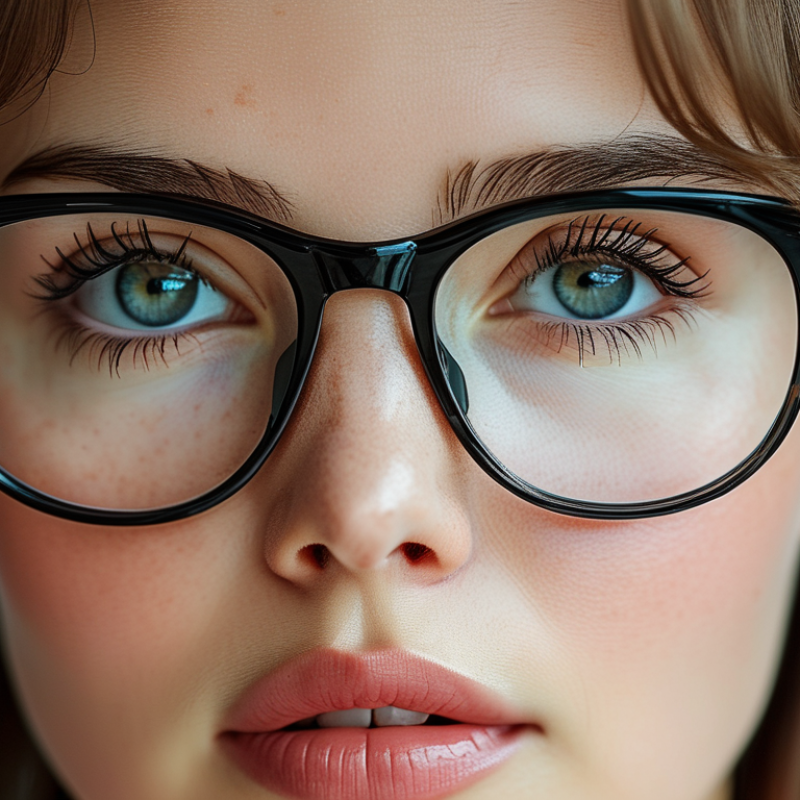
Choosing the right prescription contact lenses is essential for clear vision. Understanding the various types available can help you make an informed decision.
Soft lenses are the most popular due to their comfort and adaptability. They are made from flexible plastics that allow oxygen to flow to the cornea. Reports indicate that about 75% of contact lens wearers prefer soft lenses due to their easy fitting and usability.
Rigid gas permeable (RGP) lenses are another option. They offer sharper vision than soft lenses and are more durable. These lenses require an adjustment period, which can be challenging for new wearers.
A study revealed that 40% of RGP users reported initial discomfort. However, many found the improved vision worth the effort.
Tips: Consider your lifestyle when choosing lenses. If you are active, daily disposables might be ideal. This option reduces the risk of eye infections. Regular check-ups are important to ensure your lenses fit correctly.
Remember, not all lenses are suitable for everyone. It's crucial to consult a qualified eye care professional before making a choice. When in doubt, prioritize comfort and clarity. Reflect on your experience regularly; it’s key to finding the best fit for your vision needs.
When considering contact lenses, evaluating your vision requirements is crucial. Many factors influence the best choice for clear vision. A report from the American Academy of Ophthalmology indicates that over 125 million people in the U.S. wear contact lenses. This number highlights their popularity but also points to the need for careful evaluation.
One of the first steps is to determine your specific vision needs. For instance, are you nearsighted, farsighted, or have astigmatism? The prescription will vary significantly among these conditions. An estimated 30% of adults experience some level of astigmatism, which often requires specialized lenses for optimal clarity. Using standard lenses may not provide the clear vision these individuals seek, leading to frustration.
Another factor to consider is lifestyle. Do you play sports or work in a dry environment? Active lifestyles might benefit from daily disposable lenses, which offer higher convenience and comfort. A study shows that 73% of contact lens wearers prefer daily disposables for their ease of use. However, it is essential to acknowledge that not every lens suits every lifestyle. Reflecting on daily habits helps in making an informed decision.
Choosing the right prescription contact lenses is crucial for clear vision. Consulting an eye care professional can greatly enhance this process. Professionals have the expertise to assess your specific needs. They consider factors like your eye shape, lifestyle, and vision correction requirements.
During your appointment, your eye doctor will conduct a thorough examination. This may involve checking your vision and evaluating the health of your eyes. You'll discuss your daily activities and comfort levels. This information helps them recommend the best lens options. They might suggest trying different brands to find the best fit for you.
It's easy to overlook the importance of a proper fit. Ill-fitting lenses can lead to discomfort or vision issues. Regular follow-ups can ensure your lenses remain suitable over time. Remember, no one knows your eyes better than a trained professional. Don't hesitate to ask questions and share concerns. Your clear vision depends on effective communication with your eye care provider.
This chart illustrates the distribution of different types of prescription contact lenses. Understanding these categories can help you make informed decisions when consulting with an eye care professional for a proper fit.
When selecting prescription contact lenses, comfort can greatly influence your overall visual experience. Materials play a crucial role in this aspect. Hydrogel and silicone hydrogel are common choices. A report from the American Optometric Association reveals that silicone hydrogel lenses allow increased oxygen permeability. This can lead to fewer dry eyes and discomfort.
The design of contact lenses also matters. Spherical lenses are typical, but toric lenses cater to astigmatism. The right design improves vision for specific conditions. Research shows that patients often report higher satisfaction with lenses customized for their needs. Not every option suits everyone. Some may experience discomfort due to poor fit or configuration.
It is essential to consider individual factors like lifestyle and eye sensitivity. Some wearers might struggle with longer wear times. An eye care provider's expertise helps navigate these choices. Feedback from users frequently indicates that comfort is subjective. What works for one person may not work for another. Reflecting on personal experiences can guide better choices.
| Feature | Description | Material | Comfort Level |
|---|---|---|---|
| Hydrogel | Soft and flexible, good for daily wear. | Hydrogel | High |
| Silicone Hydrogel | Increased oxygen permeability, great for extended wear. | Silicone Hydrogel | Very High |
| Rigid Gas Permeable (RGP) | Durable and offers crisp vision, but less comfortable initially. | RGP Material | Moderate |
| Spherical Lenses | Corrects nearsightedness or farsightedness. | Varied materials | High |
| Toric Lenses | Designed for astigmatism, providing two different powers in one lens. | Soft or RGP | Moderate to High |
Maintaining and caring for your contact lenses is crucial for optimal vision. According to the American Optometric Association, improper lens care can lead to eye infections or discomfort. A recent report indicated that 30% of contact lens wearers neglect proper hygiene practices. This neglect can result in serious health issues.
Daily cleaning is essential. Use a recommended solution to clean your lenses. Avoid using water or saliva, as these can introduce harmful bacteria. Regularly replace your lens case, ideally every three months, to minimize contamination. A study published in the Journal of Contact Lens Research found that only 20% of users change their cases as advised. This oversight can compromise eye health.
Storing lenses correctly is equally important. Keep them submerged in solution when not in use. Ensure lenses are not left in the case longer than recommended. Many wearers leave them in for extended periods, risking corneal damage. It's vital to stay informed about best practices. A proactive approach can lead to clearer vision and healthier eyes.
: There are soft lenses and rigid gas permeable (RGP) lenses. Soft lenses are popular for comfort, while RGP lenses offer sharper vision.
About 75% of contact lens wearers choose soft lenses. They are comfortable and easy to fit for most people.
New RGP wearers often experience initial discomfort. A study showed that 40% reported challenges during the adjustment period.
Those with active lifestyles may benefit from daily disposables. These reduce the risk of eye infections and provide convenience.
Professionals assess your eye shape and vision needs. They recommend suitable lenses and ensure a proper fit for comfort.
Ill-fitting lenses can cause discomfort and vision issues. It's essential to address fit with your eye care provider regularly.
Daily cleaning with approved solutions is vital. Avoid using water or saliva, as they introduce harmful bacteria.
Improper hygiene can lead to infections. Reports show that 30% of wearers neglect proper lens care, risking eye health.
Ideally, replace your lens case every three months. Only 20% of users do this as recommended, which can lead to contamination.
Always keep lenses submerged in solution when not in use. Avoid leaving them in the case for too long to prevent damage.
When choosing Prescription Contact Lenses, it is essential to understand the various types available and evaluate your specific vision requirements. Different lenses cater to diverse needs, such as astigmatism or presbyopia, and identifying your unique vision challenges will help in selecting the most suitable option.
Consulting an eye care professional is crucial for ensuring a proper fit, as they can provide personalized recommendations based on your eye shape and health. Additionally, considering the material and design of the lenses will enhance comfort throughout the day, while attentive maintenance will ensure optimal vision and prolong the life of your lenses. By following these guidelines, you can effectively choose the right Prescription Contact Lenses for clear and comfortable vision.
