Eyes Matrix Contacts Lenses
Eyes Matrix Contacts Lenses
Eyes Matrix Contacts Lenses
Explore our top-performing medical-grade colored and clear hydrogel lenses engineered with advanced UV-absorption technology for global clinical and retail markets.

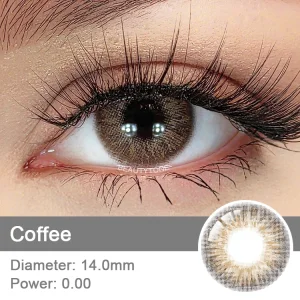
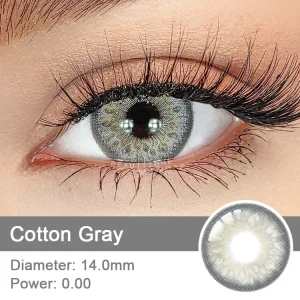
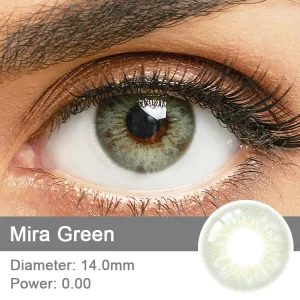
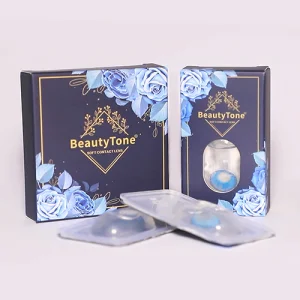
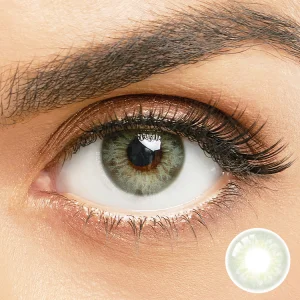
Your Launchpad for Next-Gen Eye Aesthetics
Welcome to Eyes Matrix Contacts Lenses Technology Co., Ltd.—where vision technology seamlessly integrates with global beauty and health trends. Headquartered in the manufacturing hub of Dongguan, China, we operate a state-of-the-art, fully compliant, agile contact lens manufacturing facility. Our operation is specifically structured to assist cosmetic brands, ophthalmic startups, e-commerce networks, and regional distributors in establishing and scaling high-quality, certified contact lens portfolios.
In the contemporary contact lens market, safety and regulatory compliance are non-negotiable. However, consumer demand is equally driven by aesthetics and protection. Eyes Matrix addresses this intersection by offering advanced UV-blocking technologies integrated within high-permeability hydrogel structures. We manage the complex chemical engineering, sterile manufacturing, and international certification compliance so that our global partners can focus on distribution, marketing, and brand equity.
"Our mission is to establish a safe, streamlined path to market for private label distributors. By utilizing advanced cast-molding systems and inline monomeric UV blockers, we provide ocular health benefits alongside premium visual experiences."
The global demand for contact lenses has expanded beyond simple refractive error correction. According to modern clinical research, prolonged ocular exposure to ultraviolet (UV) radiation—specifically UVA (315nm to 400nm) and UVB (280nm to 315nm)—is a key risk factor in the pathogenesis of cataracts, pterygium, photokeratitis, and macular degeneration. Unlike sunglasses, which protect the entire ocular region but allow peripheral light leakage, contact lenses sit directly on the cornea, covering the pupil and crystalline lens, thereby offering comprehensive, localized protection against peripheral UV rays.
From a commercial standpoint, regional compliance frameworks (such as Europe's Medical Device Regulation (MDR) and the US FDA's strict classifications) have propelled contact lenses with built-in Class I and Class II UV blockers into the mainstream. Brand distributors are increasingly looking to China for strategic sourcing, where advancements in high-precision cast molding and automated packaging allow for high-throughput production without compromising optical accuracy. Eyes Matrix stands at the forefront of this industrial shift, offering turnkey solutions that adapt to regional regulations and changing market dynamics.
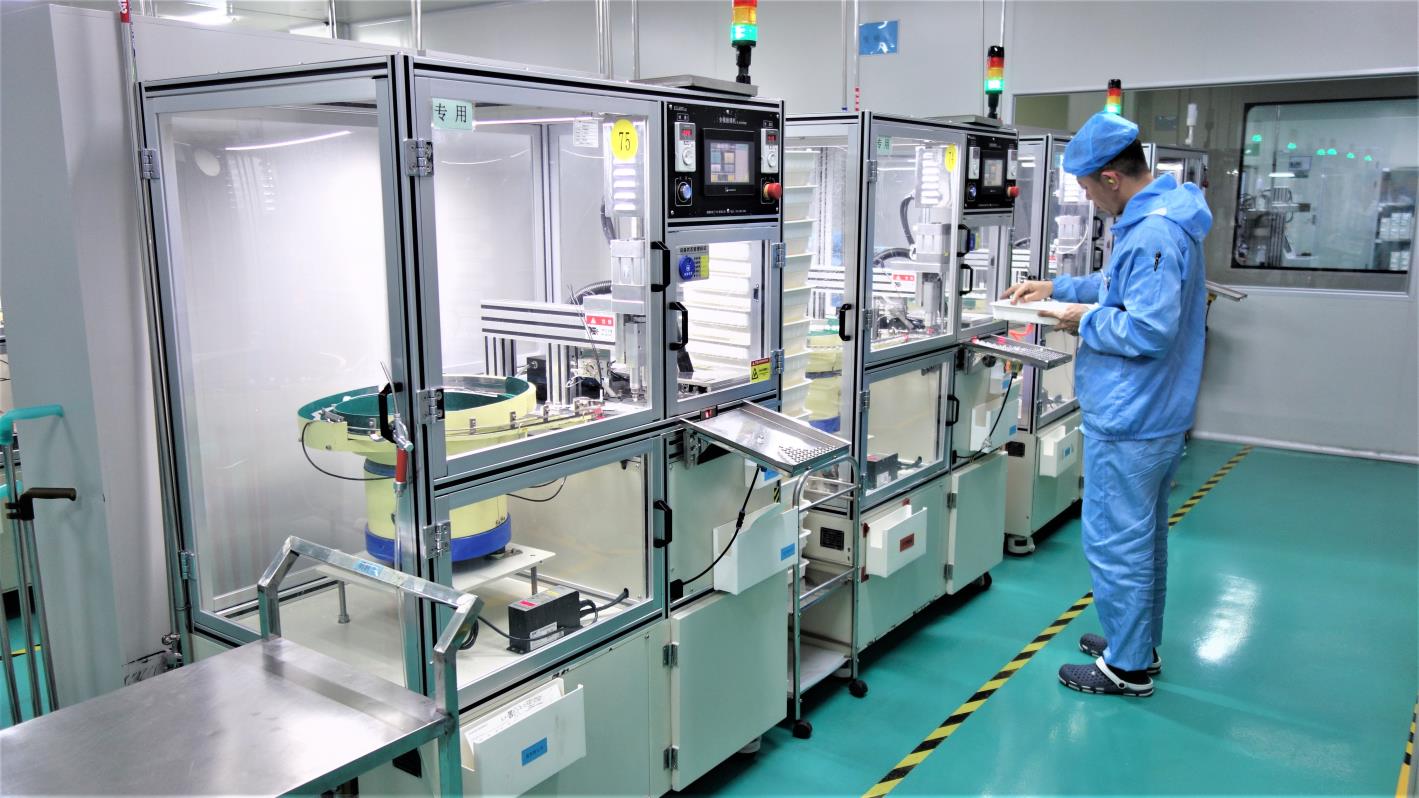
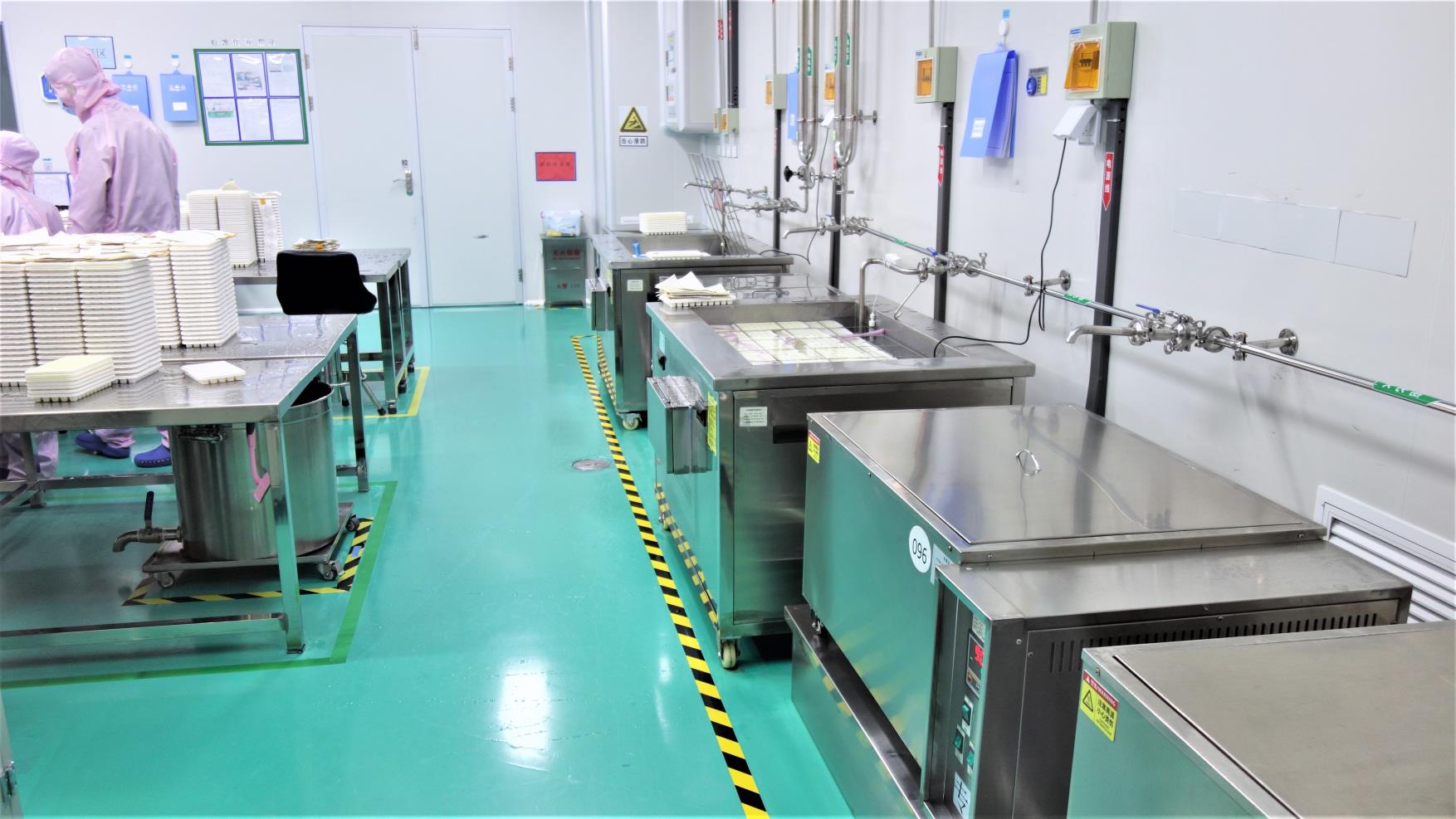
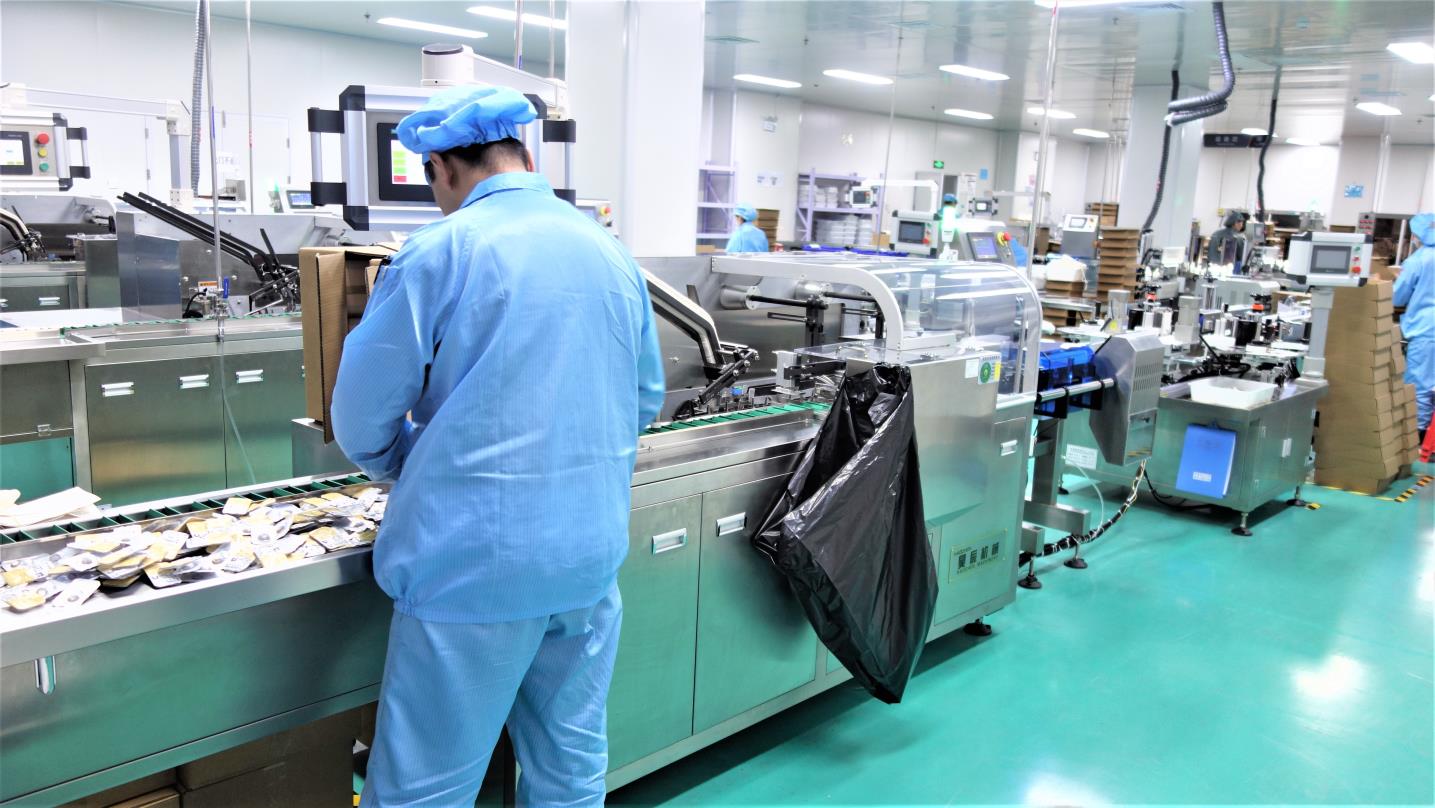
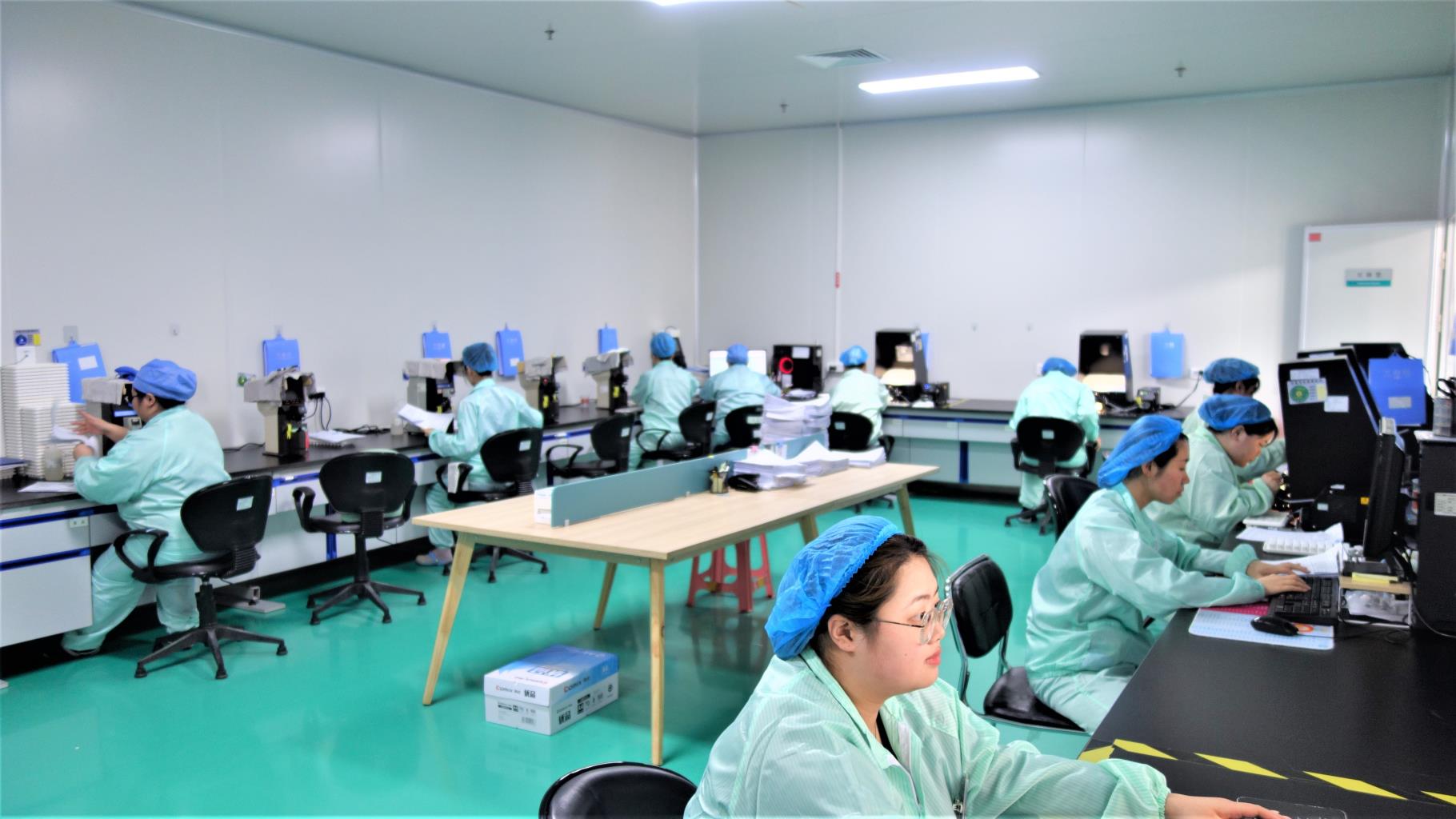
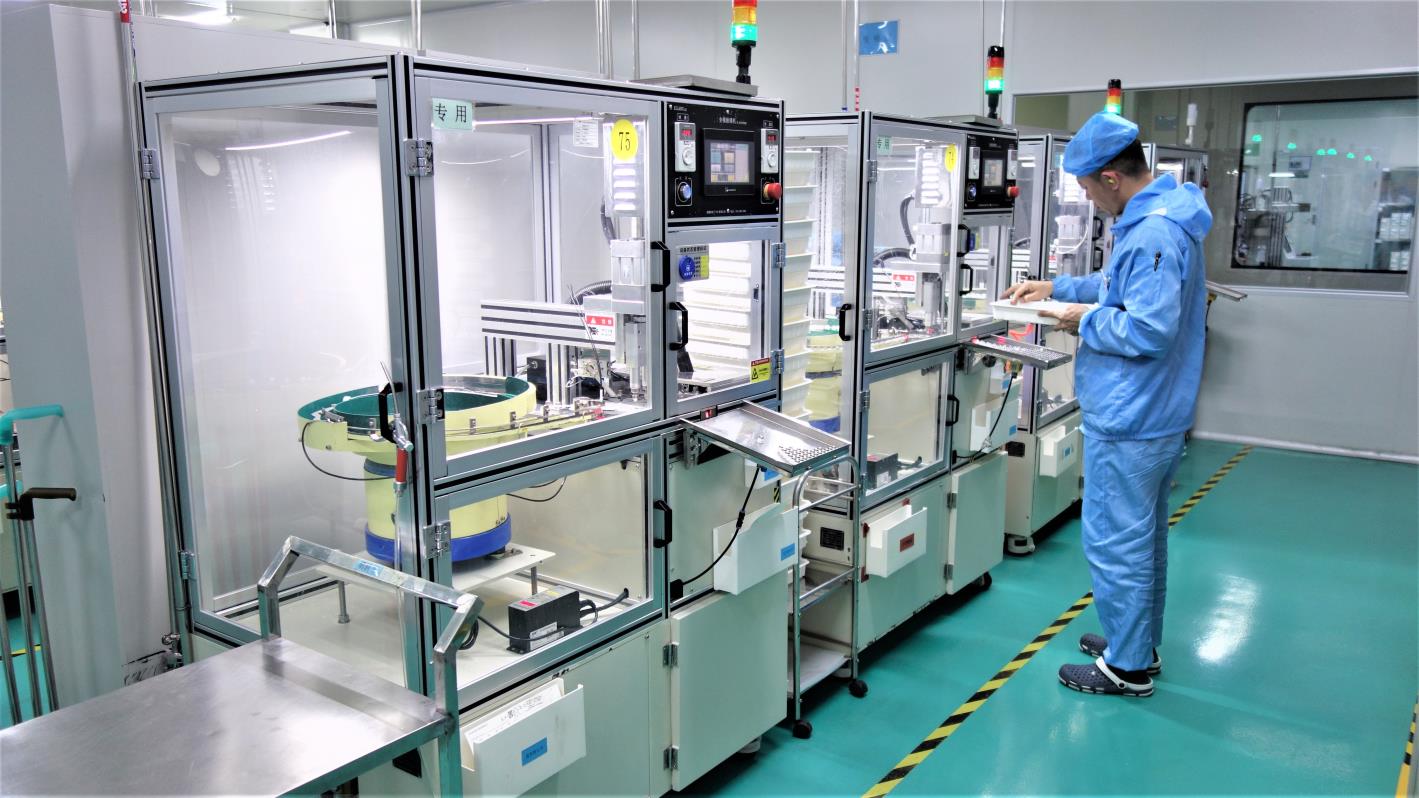
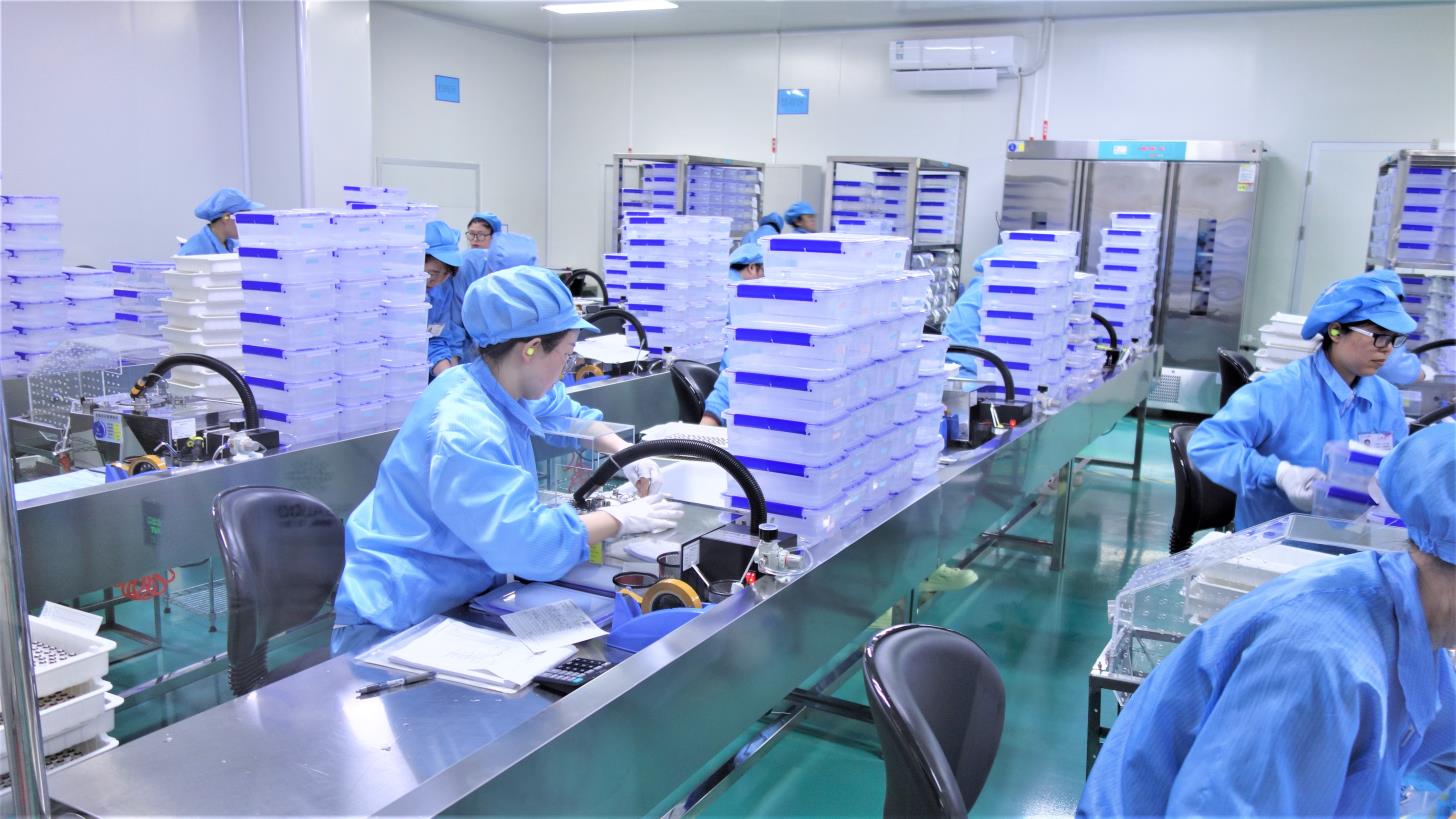
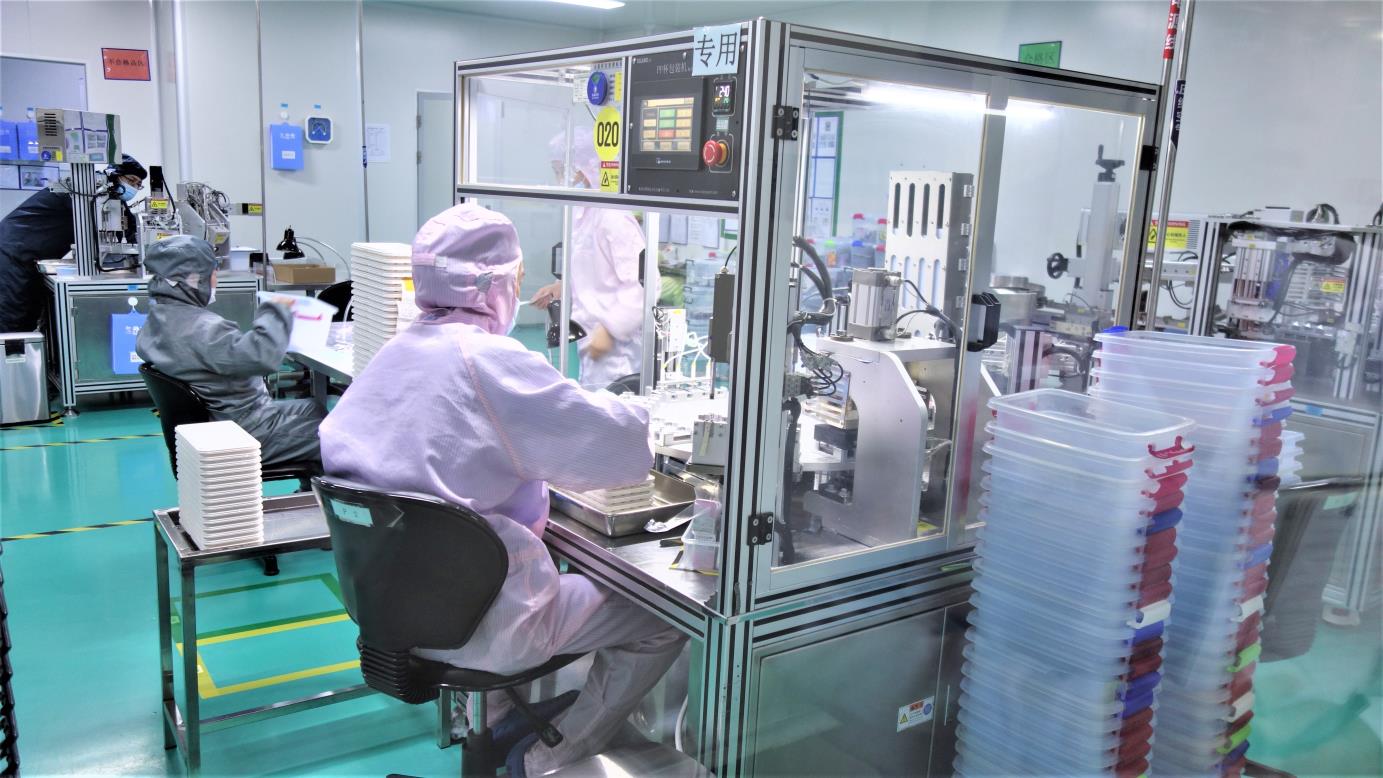
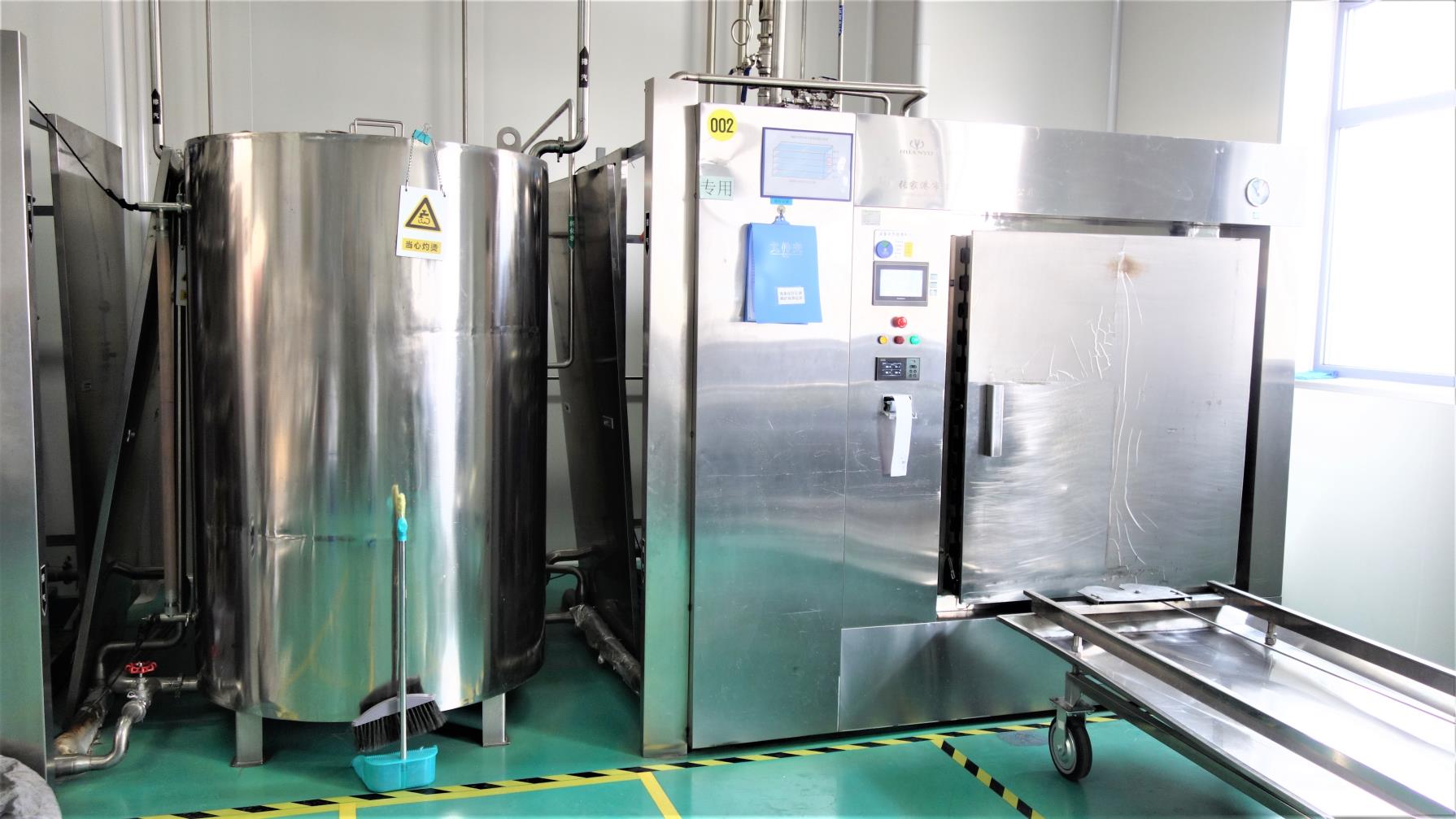
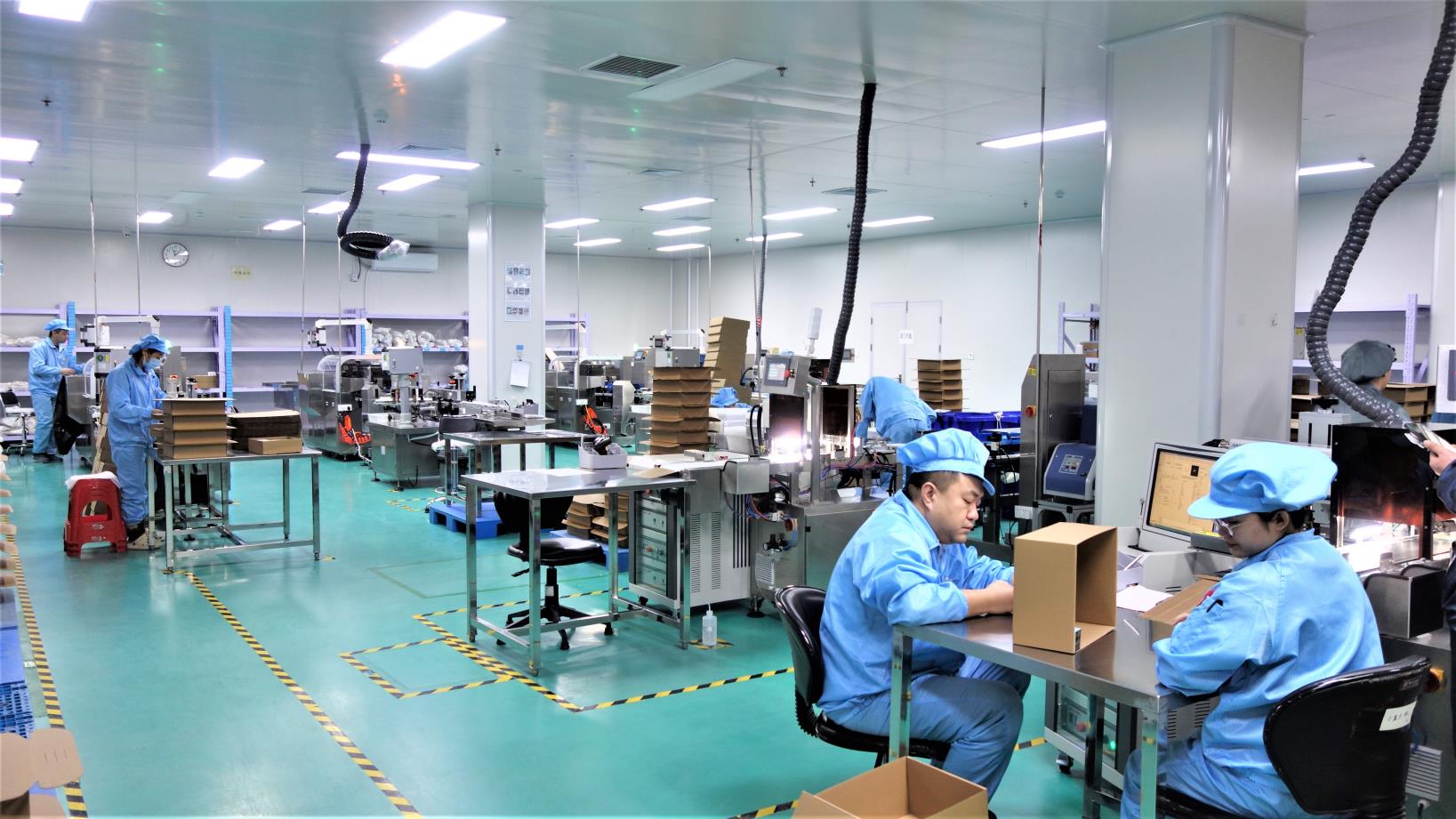
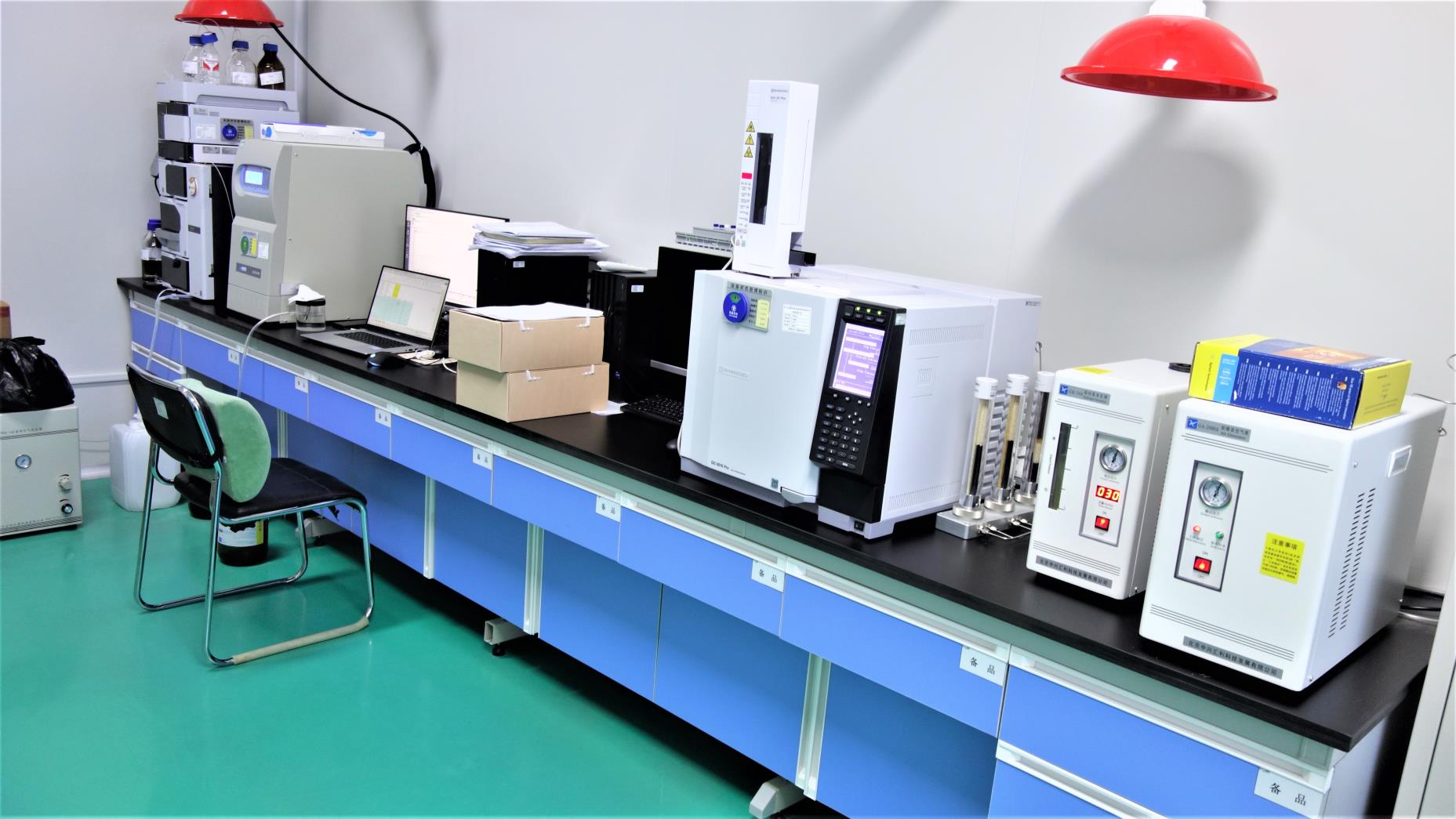
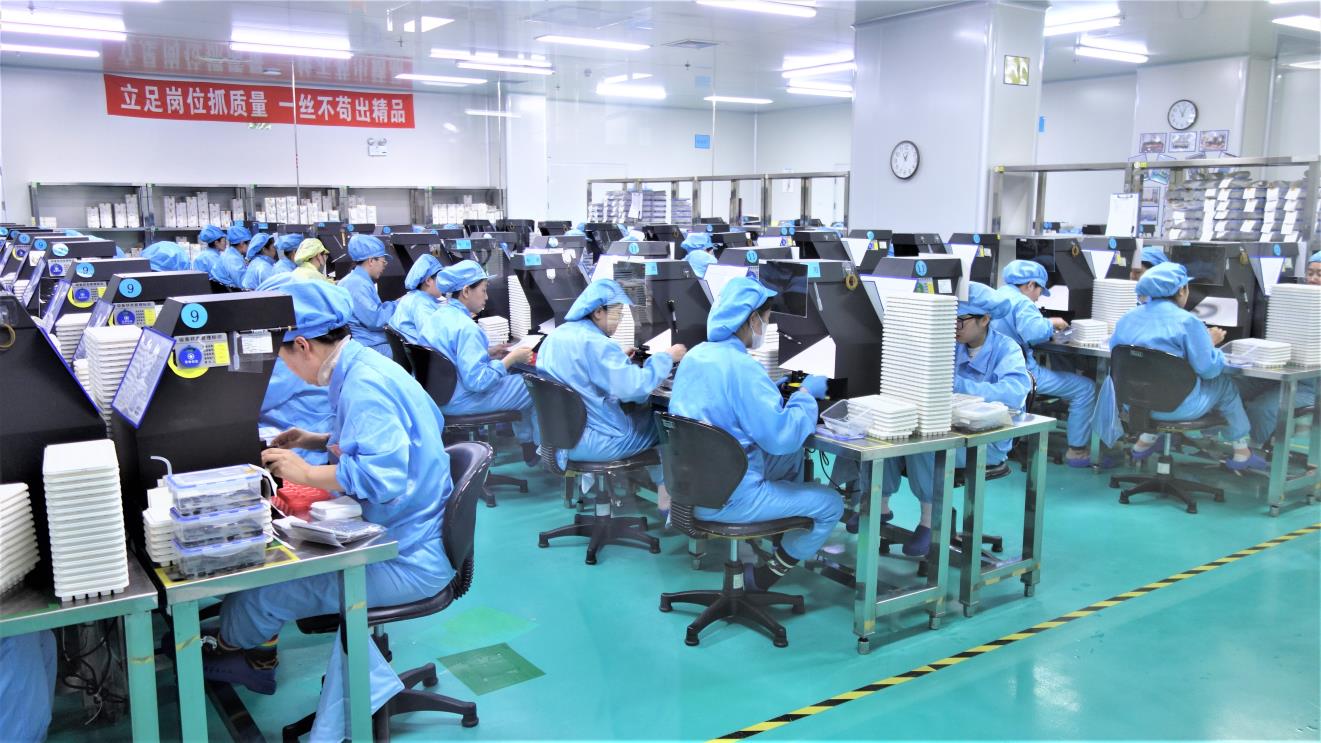
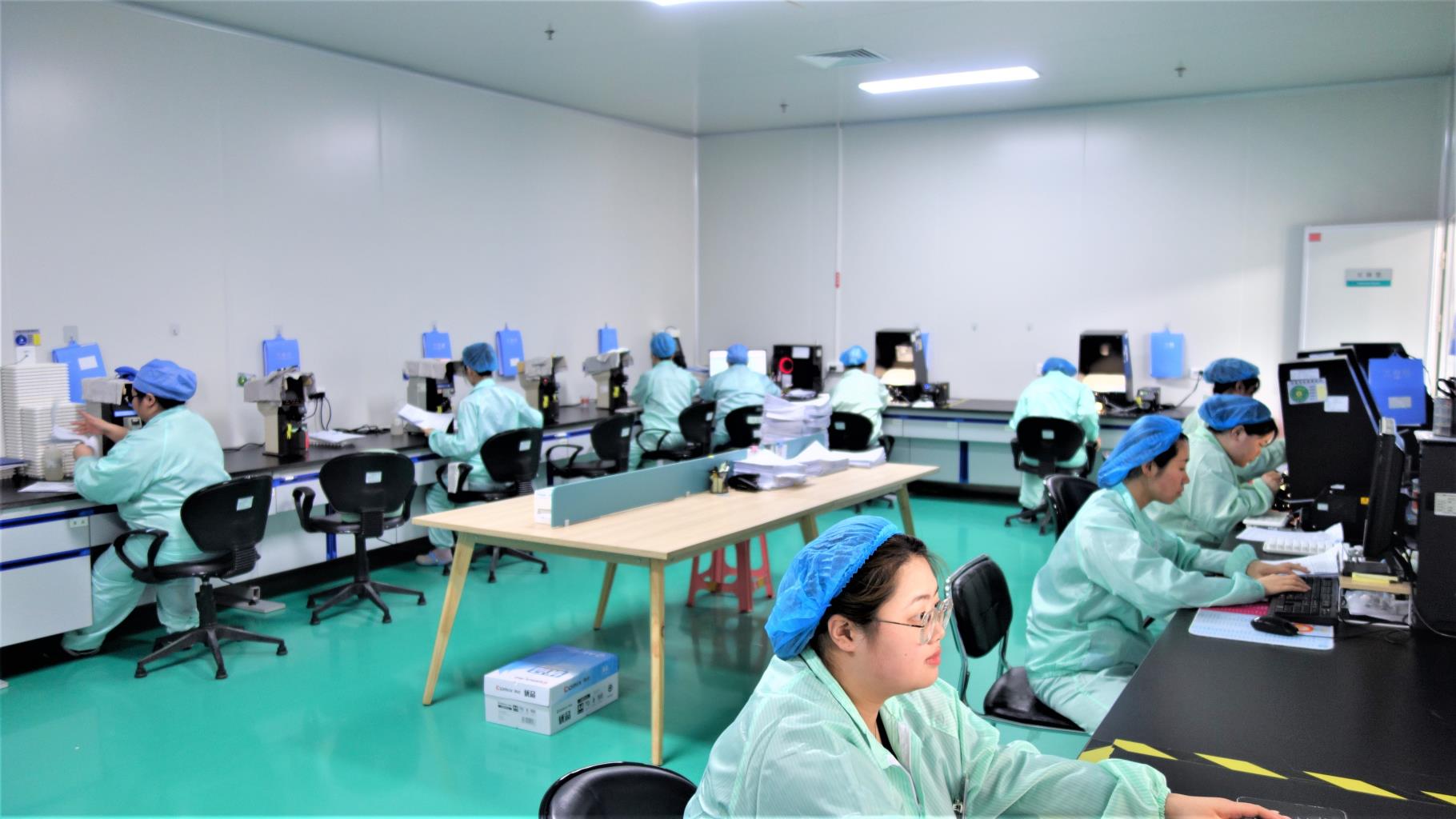
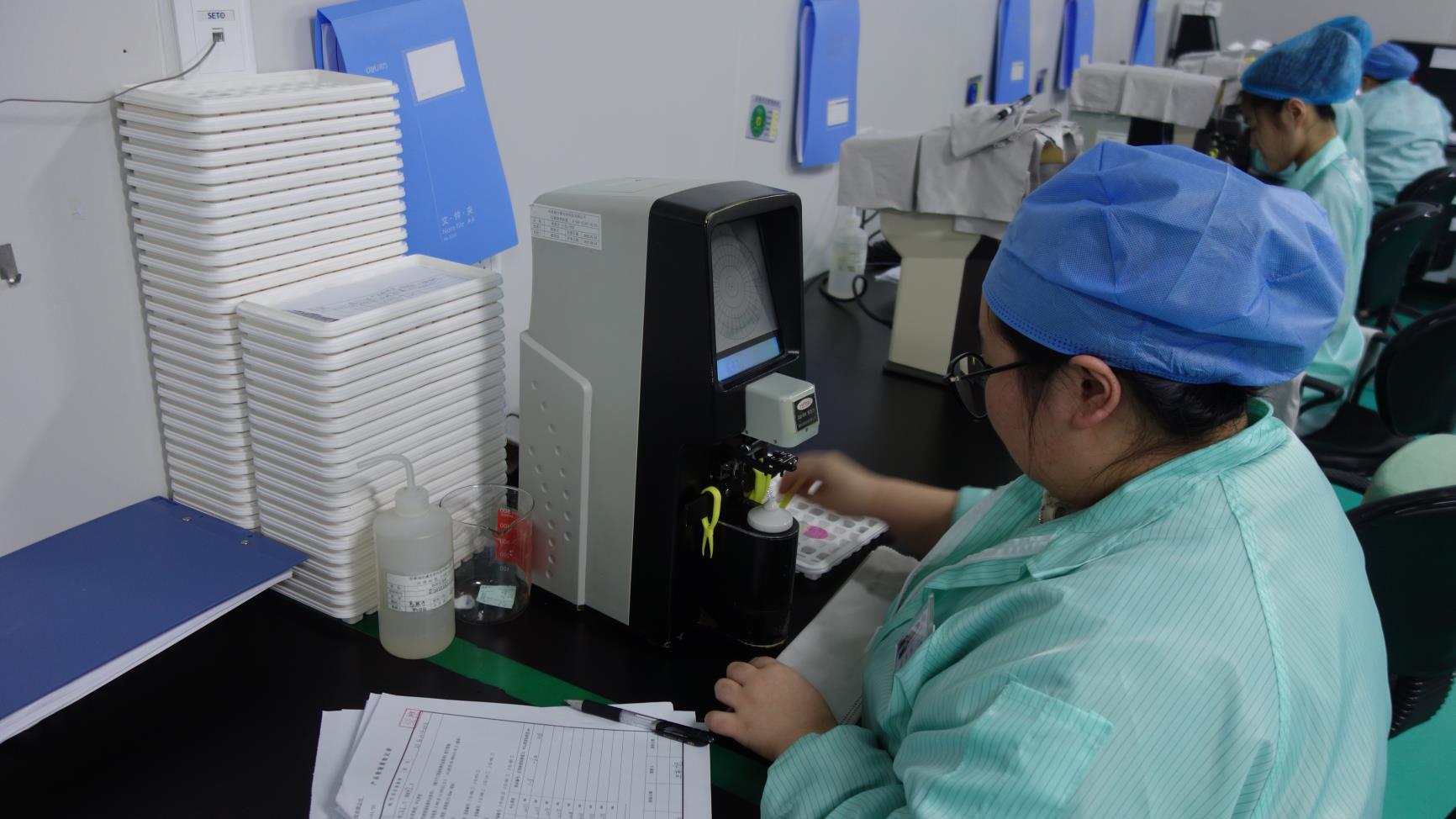
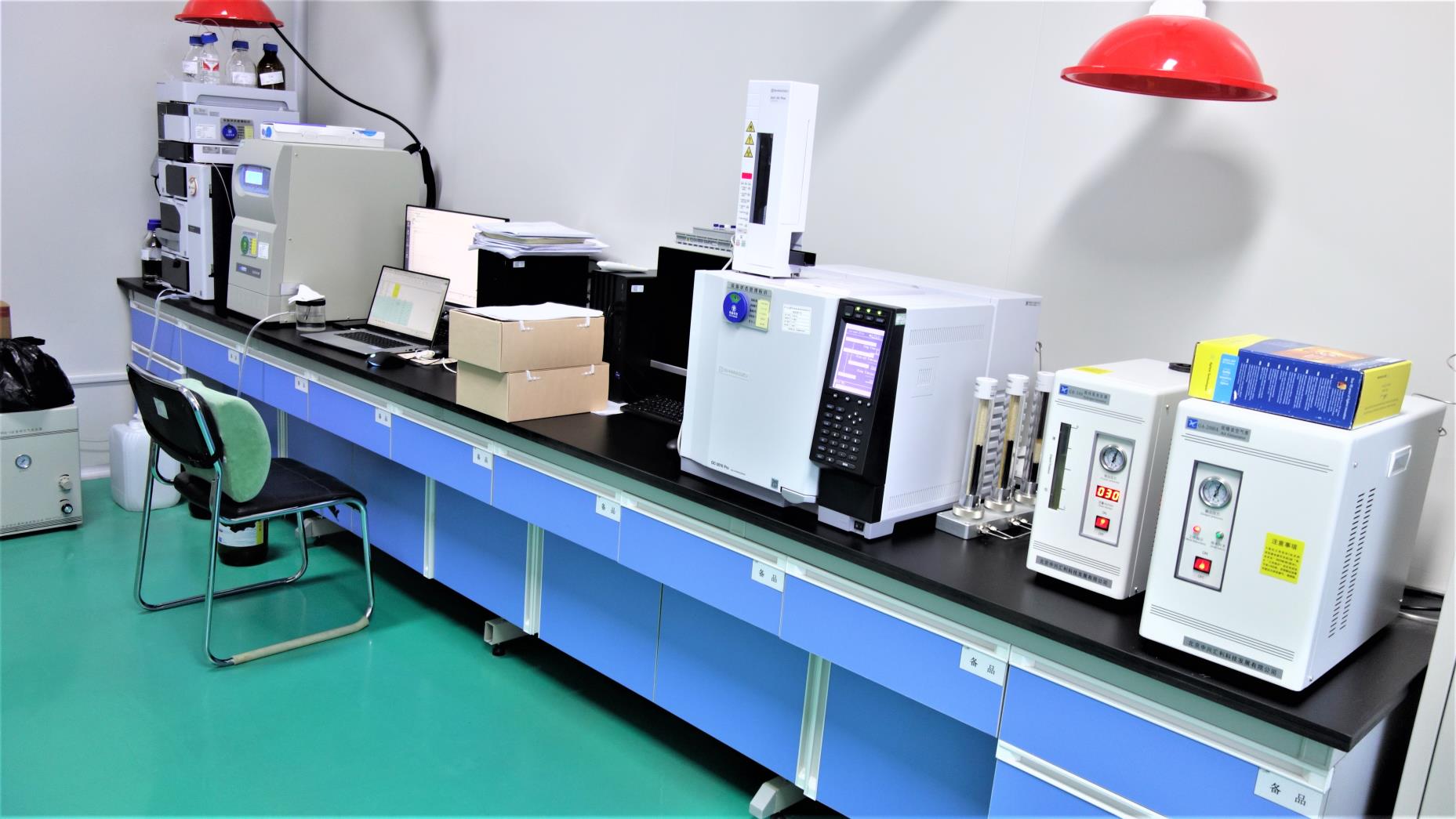
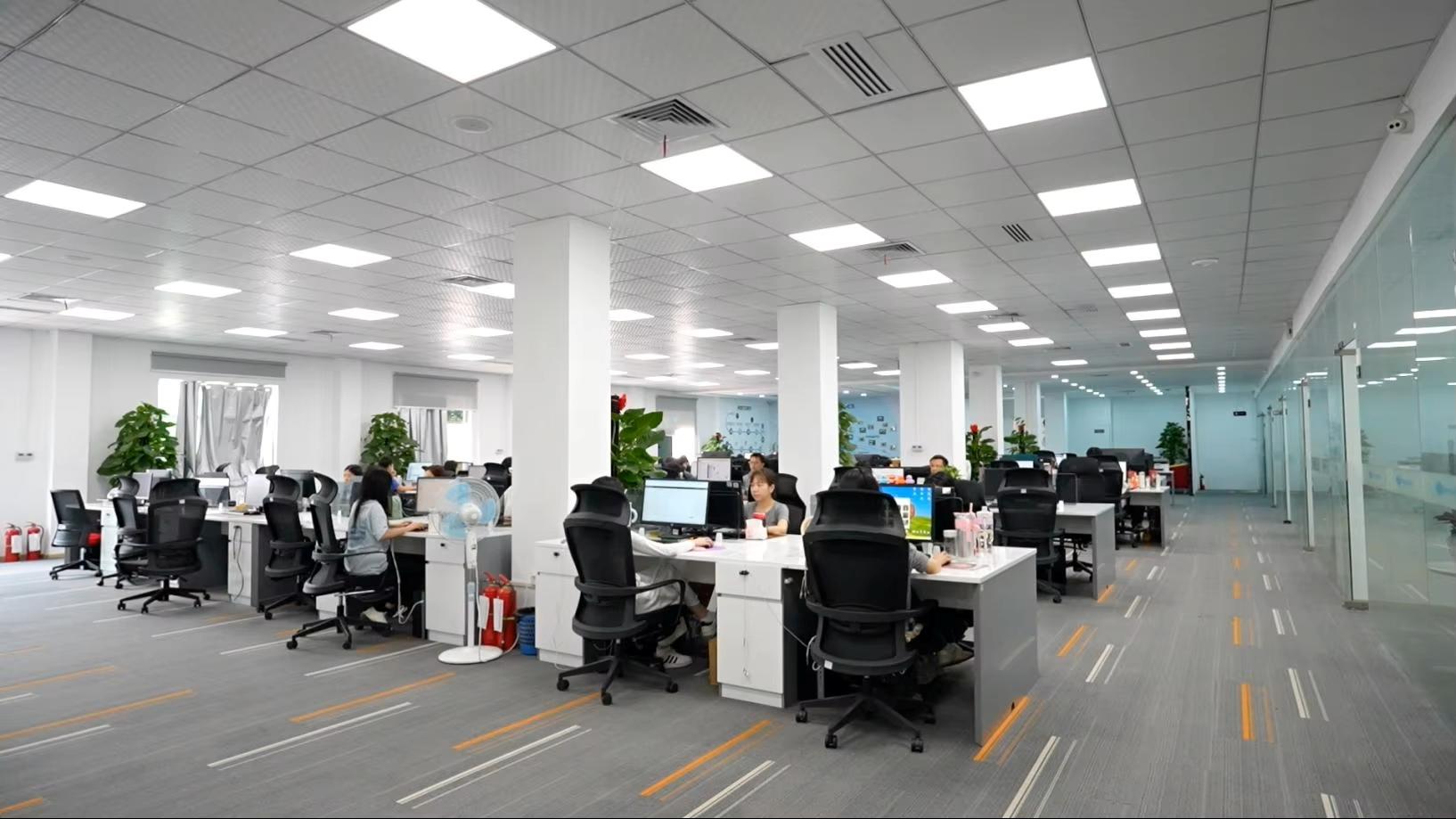
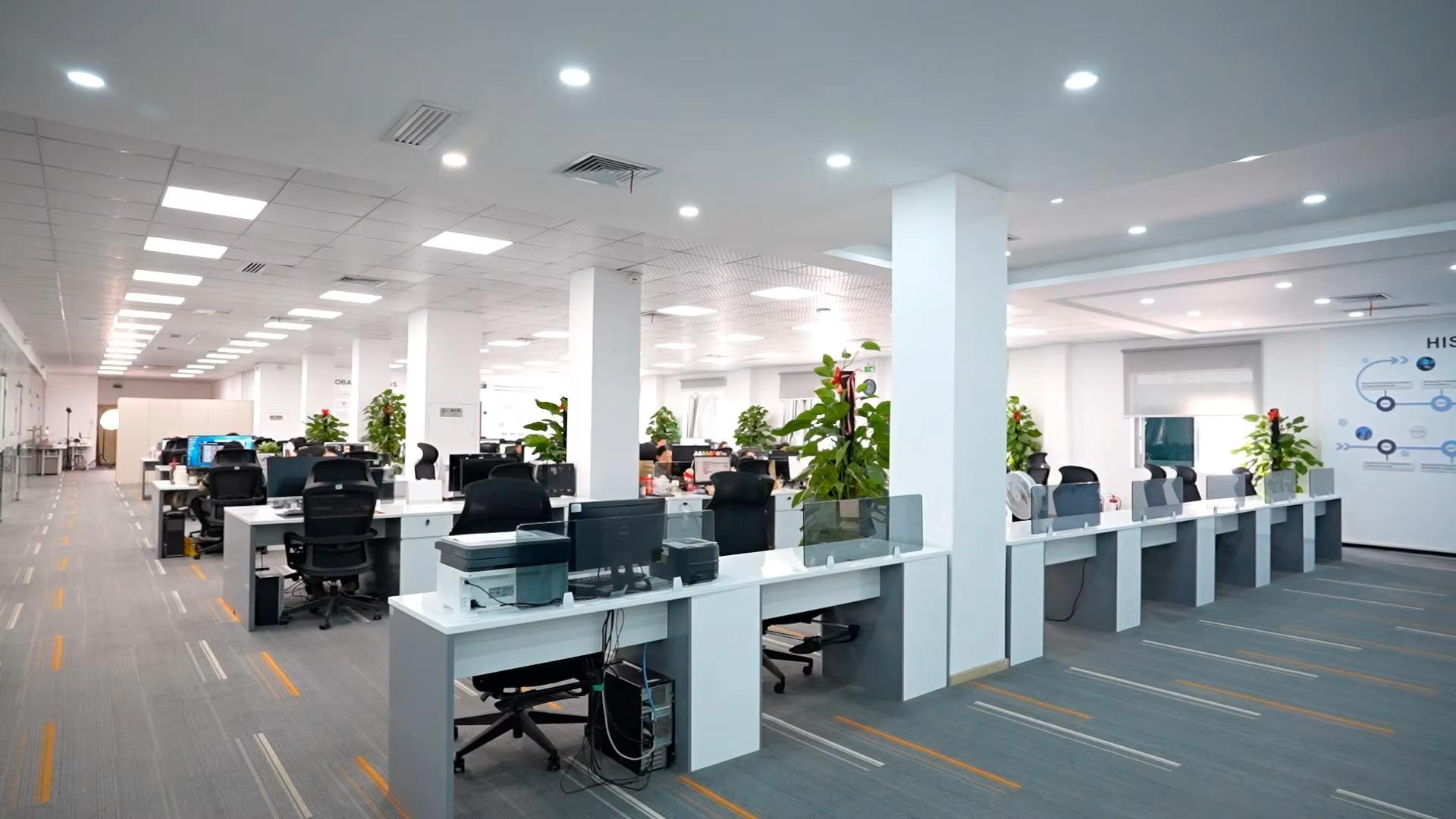
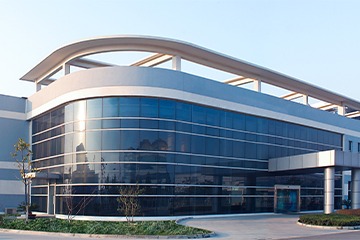
An inside look at our certified cleanroom facility in Dongguan, highlighting the steps that convert medical polymers into high-precision UV-blocking lenses.
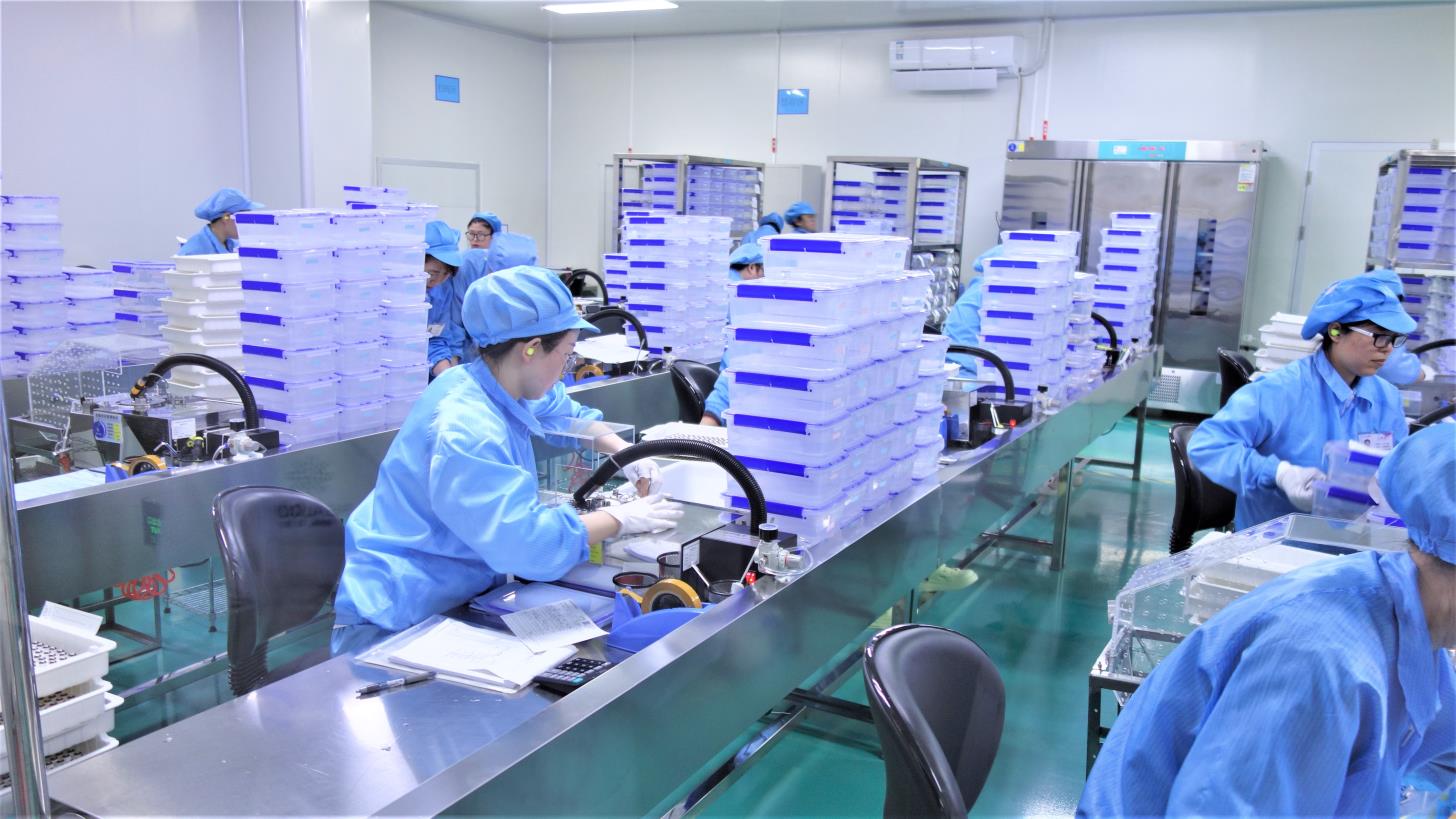
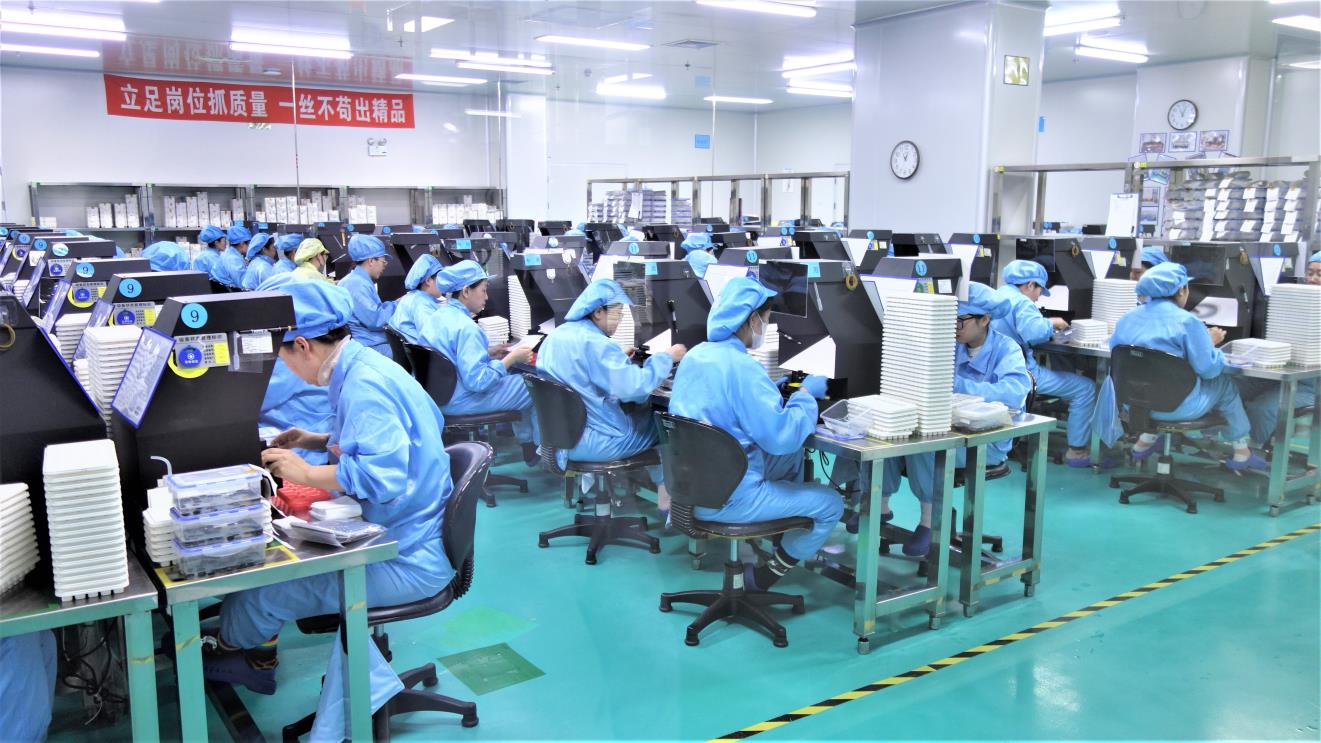
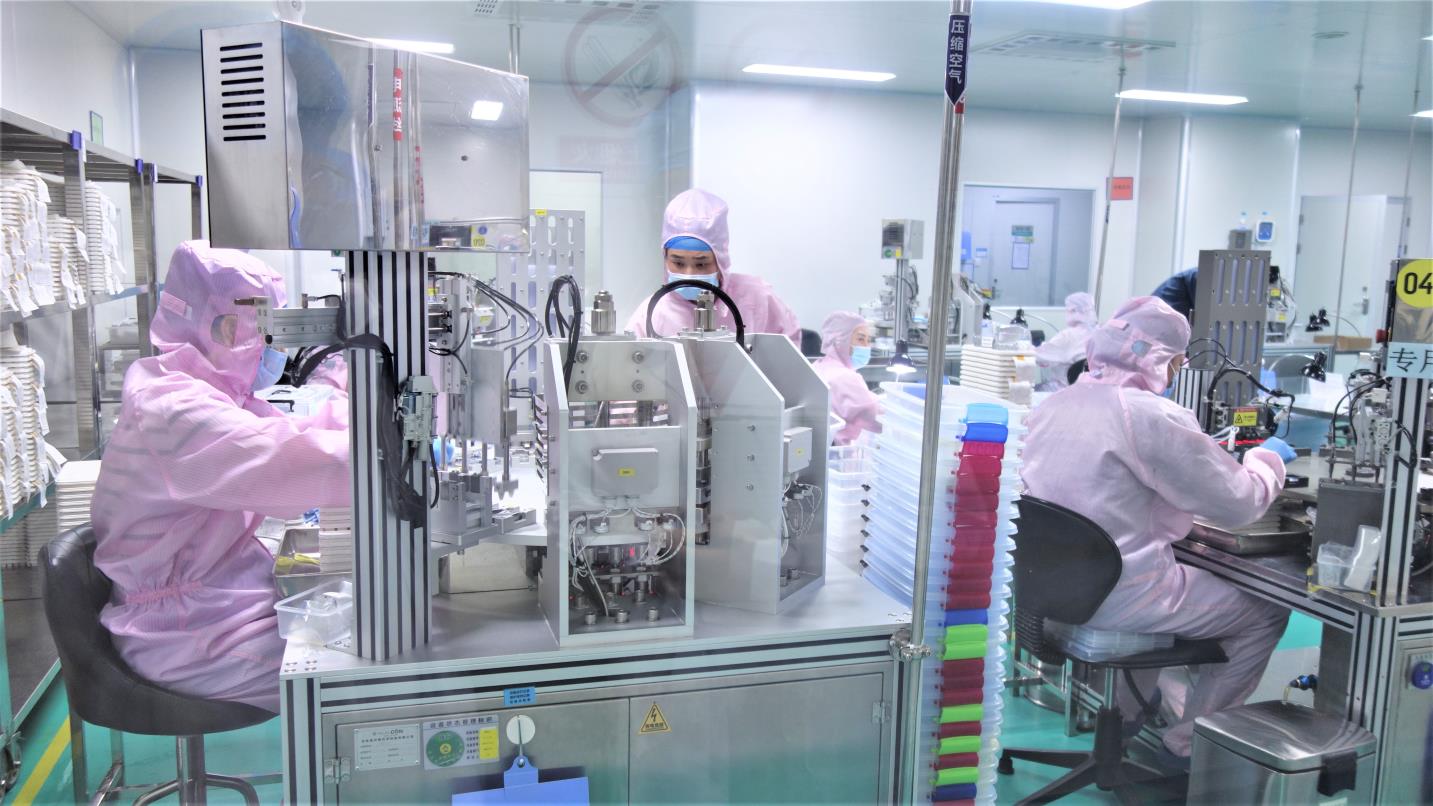
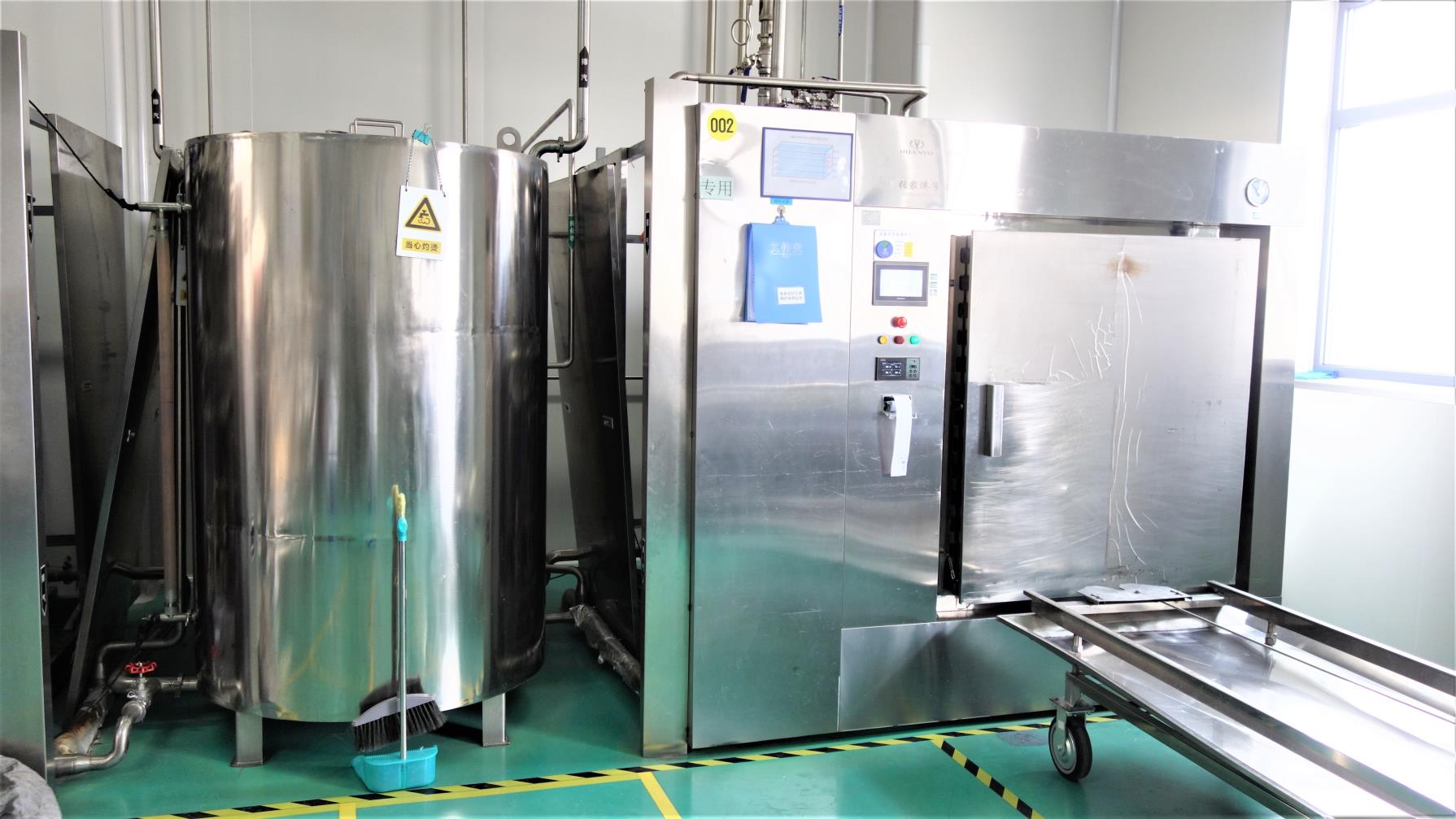

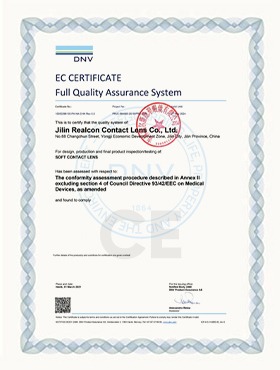
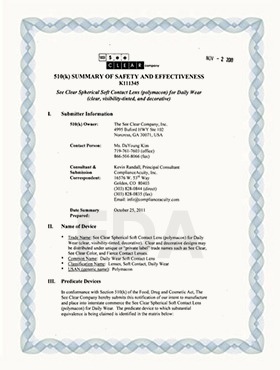
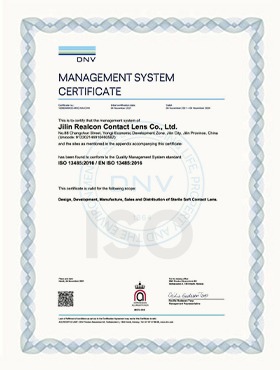
Understanding the standard classifications for UV-blocking contact lenses is critical for brands positioning their products as protective medical devices. Regulatory bodies like the ISO (International Organization for Standardization) under standard ISO 18369-1 and the US FDA define UV protection classes based on the percentage of radiation blocked:
To integrate this capability without affecting the physical attributes of the lens, specialized polymer chemistry is required. UV-absorbing monomers—such as benzotriazoles—are added to the HEMA (Hydroxyethylmethacrylate) or silicone hydrogel formulation during the synthesis process. This cross-links the UV blocker directly into the polymer network, preventing it from leaching into the tear film during wear and ensuring stable protection over the lifespan of the lens.
Adding protective properties must not compromise ocular physiology. Lenses need to maintain a high oxygen transmission rate (Dk/t) to prevent corneal hypoxia. Eyes Matrix utilizes a balanced hydrogel formulation with a high water content (typically 38% to 42%) and thin center profile designs (0.06mm - 0.08mm) to ensure adequate oxygen transmission, comfort, and optical stability.
Eyes Matrix uses an automated Cast Molding process for production. Unlike spin casting, cast molding shapes both the front and back surfaces of the lens simultaneously using custom injection-molded tools. This delivers reliable base curve consistency and reproducible optical power profiles.
Our color printing process uses a Sandwiched Micro-encapsulation structure. Colored patterns are printed inside the mold before polymerization, meaning the pigment layer is fully enclosed within the hydrogel. The color never comes into direct contact with the cornea or the palpebral conjunctiva, eliminating risks of pigment abrasion or irritation.
Following demolding, the lenses undergo a hydration extraction phase to remove unpolymerized monomers and impurities. The lenses are then moved to an ISO Class 5 cleanroom for saline filling, blister sealing, and autoclave sterilization. Our automated inspection systems run in-line check routines, screening each lens for surface micro-tears, edge anomalies, and cosmetic printing defects.
For global optical brands and retailers, establishing an OEM/ODM partnership in China offers significant cost efficiencies, supply chain agility, and access to new technology. Dongguan is a major center for advanced manufacturing, providing a complete ecosystem of raw material supplies, mold makers, sterile packaging resources, and experienced logistics networks.
Partnering with Eyes Matrix provides several key operational advantages:
The contact lens industry is shifting toward multi-functional polymer designs that combine vision correction, aesthetic customization, and targeted eye protection. Eyes Matrix's R&D team is currently focusing on three key technology directions:
We are developing next-generation monomers that filter both UV radiation and high-energy visible (HEV) blue light (400nm - 450nm) emitted by digital screens and artificial lighting. This helps reduce eye fatigue and protect retinal tissue in digital-heavy environments.
Our research includes introducing biomimetic materials, such as phosphorylcholine (PC) polymer compounds. These materials mimic cell membranes to reduce protein deposits, increase water retention, and improve comfort for users prone to dry eyes.
We are studying dynamic photochromic dyes that react to ambient UV levels, darkening when outdoors to control glare and returning to clear when indoors, providing continuous light management.
Frequently asked questions regarding international specifications, OEM sourcing operations, and regulatory pathways for UV-blocking lenses.
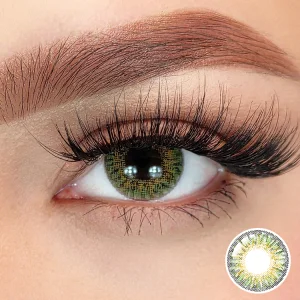
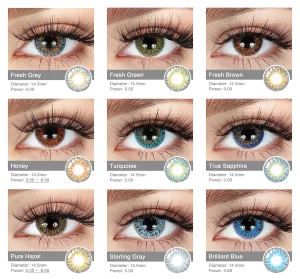
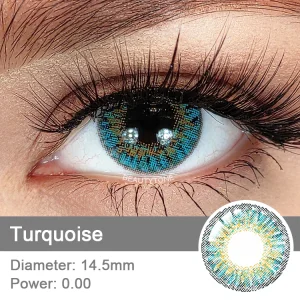
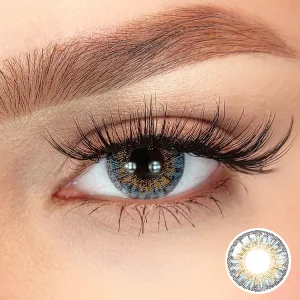
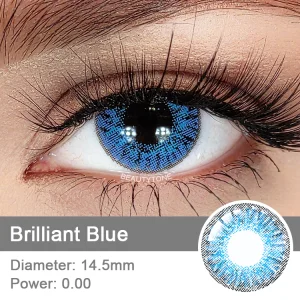
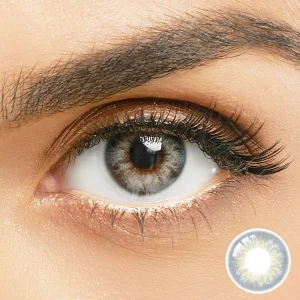
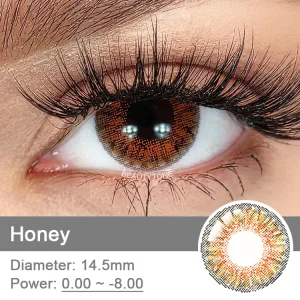
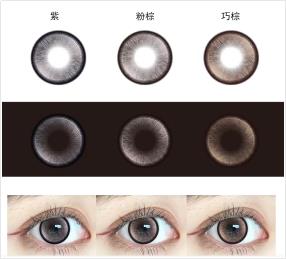
View additional options from our annual replacement and disposable colored lens catalog, featuring comfortable edge designs and UV-blocking filters.